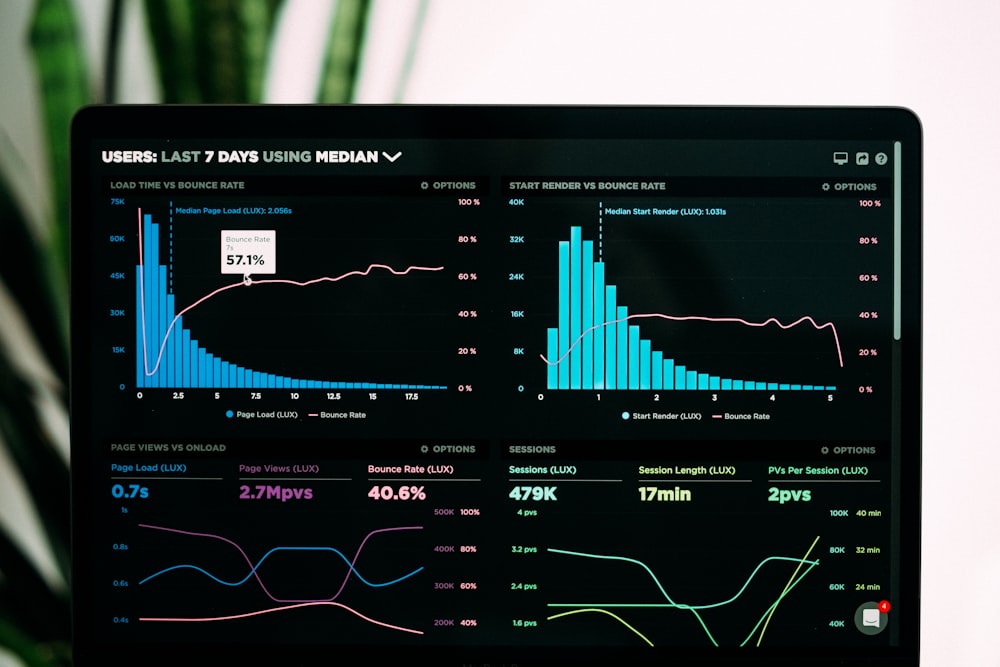
Development
Building Scalable Apps with Vue.js and TailwindCSS
Learn how to create high-performance web apps with clean design using Vue.js and TailwindCSS.


In the rapidly evolving digital landscape, user interface (UI) design stands at the intersection of art and technology. As we look toward the future, the role of UI designers is expanding beyond creating visually appealing interfaces to crafting experiences that are intuitive, accessible, and emotionally resonant.
The journey of UI design has been remarkable—from the skeuomorphic designs that mimicked real-world objects to the flat design revolution championed by major tech companies. Today, we're witnessing a synthesis of these approaches, where depth, texture, and subtle animations create interfaces that feel both familiar and futuristic.
"The best UI designs are invisible—they guide users effortlessly to their goals without drawing attention to themselves."
Several key trends are shaping the future of UI design, each with implications for how we approach the balance between aesthetics and functionality:
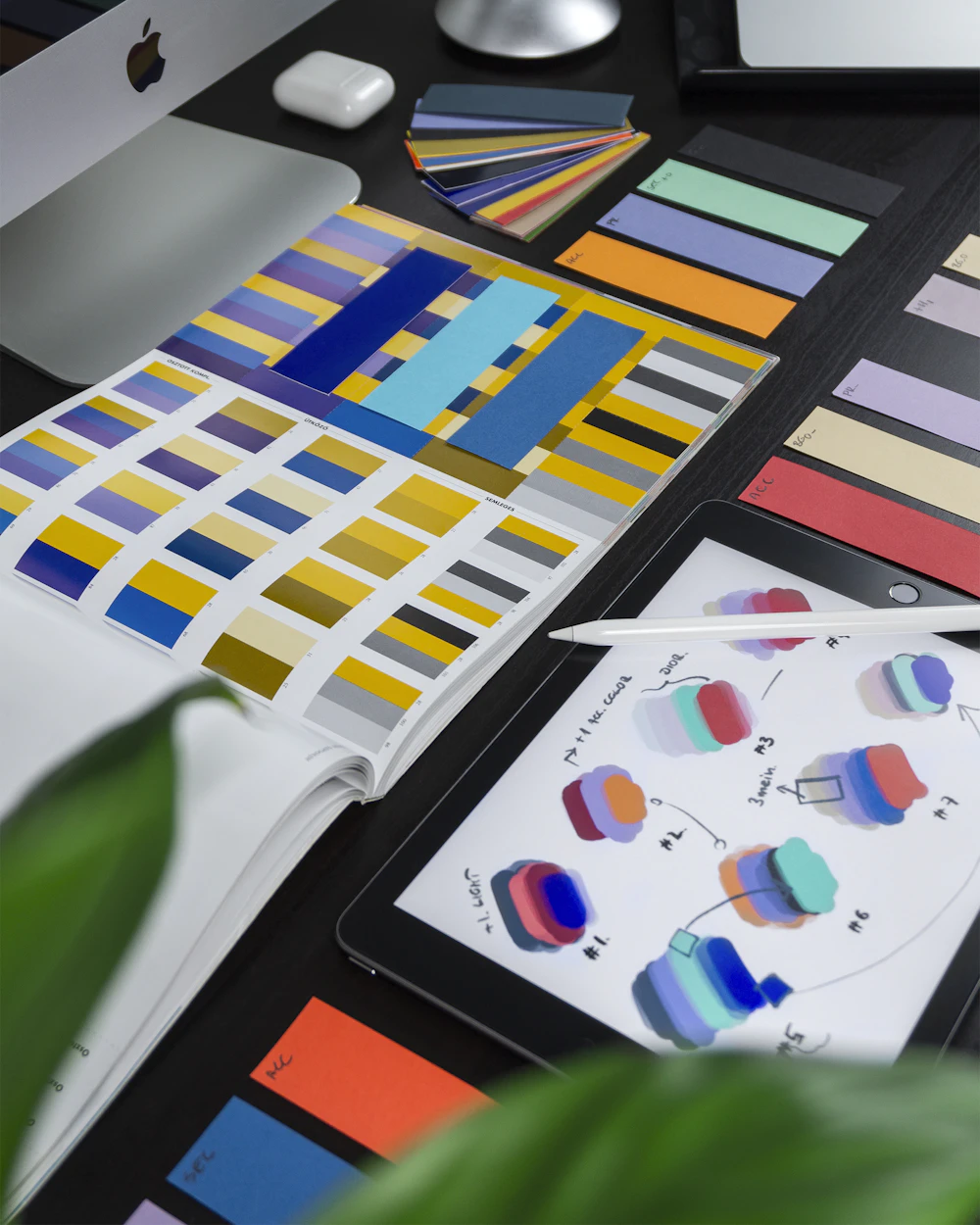
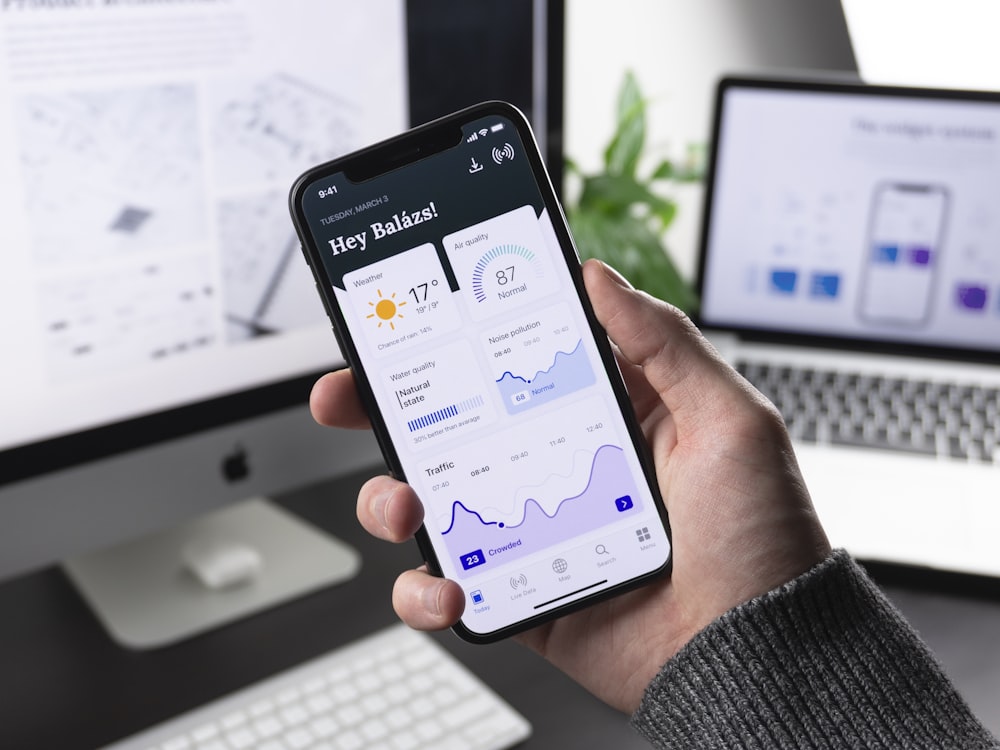
Artificial intelligence is revolutionizing UI design in multiple ways. AI-powered tools can now generate design variations, analyze user behavior to suggest improvements, and even create personalized interfaces for individual users.
However, the rise of AI doesn't eliminate the need for human designers. Instead, it shifts their role toward more strategic decisions—defining design systems, establishing brand consistency, and ensuring ethical design practices.
Future UI design must prioritize accessibility from the ground up. This means considering color contrast for users with visual impairments, designing for screen readers, and creating interfaces that can be navigated through various input methods beyond traditional mouse and keyboard.
Inclusive design isn't just about compliance—it's about creating better experiences for everyone. When we design for people with disabilities, we often discover solutions that benefit all users.
The future of UI design is exciting and complex. As technology continues to evolve, designers will need to balance aesthetic innovation with functional clarity. The most successful interfaces will be those that not only look beautiful but also feel intuitive, accessible, and human-centered.
By staying curious, embracing new technologies, and keeping users at the center of our design process, we can create digital experiences that are both visually stunning and profoundly useful.

Great insights in this article! I particularly agree with your point about the synthesis of design approaches. We're definitely seeing a move away from rigid design systems toward more fluid, contextual interfaces.

The section on AI in UI design was eye-opening. Do you think AI will eventually replace human designers, or will it just become another tool in our toolkit?

Excellent article! I've been following the neumorphism trend, and I think it has potential but needs to be implemented carefully to maintain accessibility standards.
Explore more insights from our design and development experts.
Learn how to create high-performance web apps with clean design using Vue.js and TailwindCSS.
A closer look at how to establish consistent and recognizable visual identities online.
Understanding how color choices influence user behavior and conversion rates.